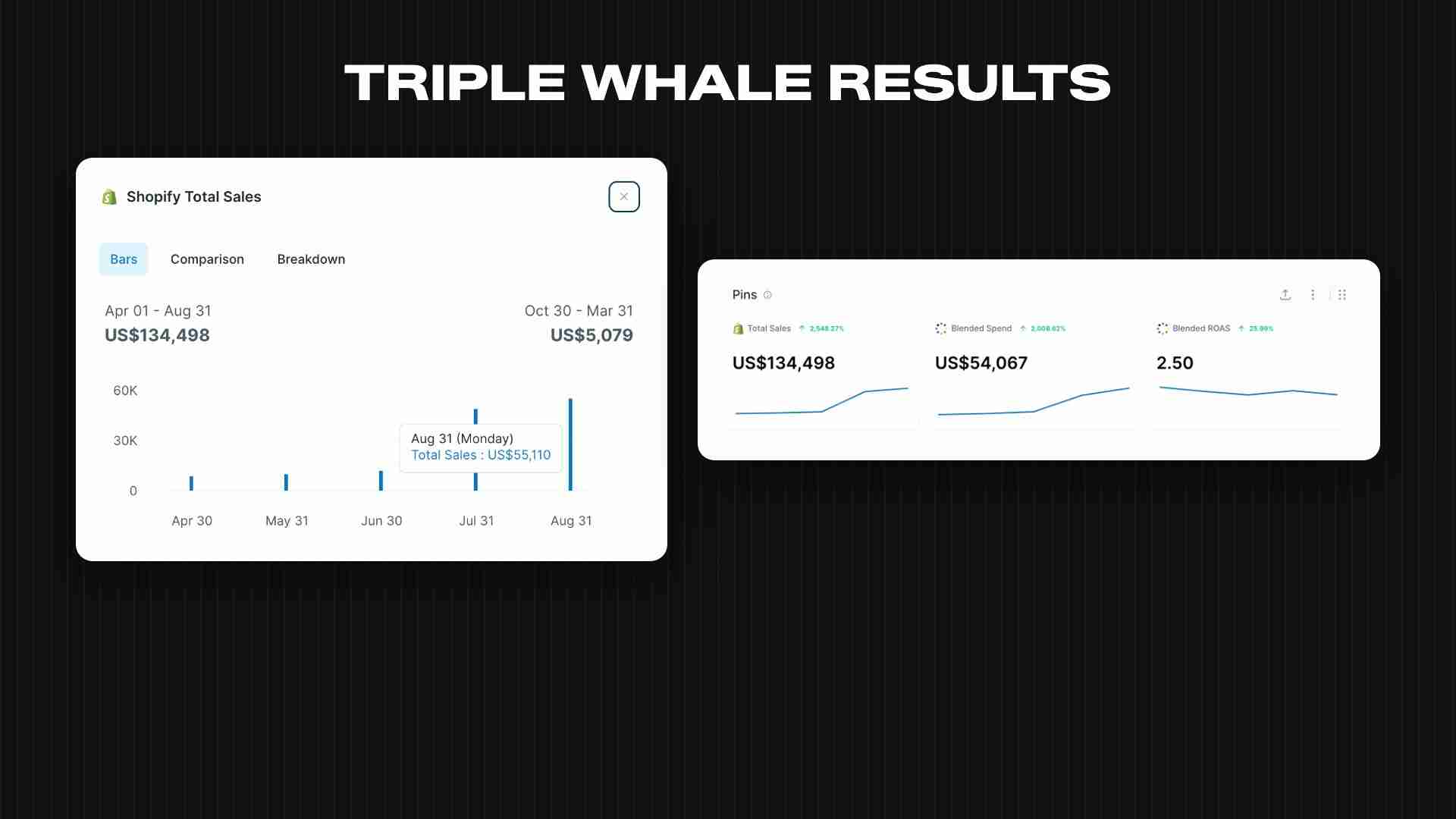
Monthly revenue in 3 months ($9.8K in May to $55.1K in August)
Blended ROAS (2.29 to 2.70) while ad spend grew 3.6x from June to July
Facebook Ads/Meta Ads
Paid Ads
Creative Strategy
Ad Creatives
E-commerce Strategy
Market Expansion
Tell Me Cards is a kids and parenting brand that sells conversation card decks, a simple family card game that helps parents have real conversations with their children aged 5 to 9. One card, one question, a few minutes at dinner or before bed. Their buyer is a parent who wants to stay close to their kid before the teenage years.
Like most ecommerce brands selling kids products, they relied on Facebook and Instagram ads as their main acquisition channel.
When we started working together in late May, Tell Me Cards was:
The founder had proven the product could sell. The goal was to scale it without losing profit:
Facebook ads for kids brands are different from most ecommerce categories. The buyer is the parent, never the child, so every ad has to speak to what the parent worries about or hopes for. Most kids and parenting brands also hit the same wall on Meta. When they push spend, CPA climbs, ROAS drops below break-even and the profit disappears. Tell Me Cards had three extra problems:
1. KPI-First Account Setup
We started from the numbers: break-even ROAS of 1.58, target ROAS of 2 and above, and the CPA we could afford. Every budget decision was checked against those limits, not against vanity metrics.
2. Bid Cap Scaling Structure
The core of the scale was a bid cap campaign. With a bid cap we tell Meta the maximum we are willing to bid in each auction. On good days Meta can find buyers inside that limit, so the campaign spends a lot more. On bad days it cannot, so it holds back. That lets the account spend heavily when the market is cheap and protects profit when it is not.
We kept new creatives in an ABO testing campaign, moved proven winners into the bid cap campaign, and later added a second bid cap campaign for the next tier of creatives so new ads could win spend without competing against the top two.
3. Parenting Angles and Sub-Personas
We kept the brand’s proven message (ages 5 to 9 are the window when a child’s inner world is forming) and built around it with new sub-personas and angles:
Most of the scale came from static ads, including educational statics, with UGC and native ad tests alongside. We used a post-purchase survey to pick the angles: the daily ritual was the number one reason customers bought, so it became a creative direction of its own.
4. New Markets
Once the US account was stable, we opened new markets, including Canada, with their own testing campaigns. Creatives did not always behave the same in each country, so testing per market found winners the US alone would have missed.
From May to August:
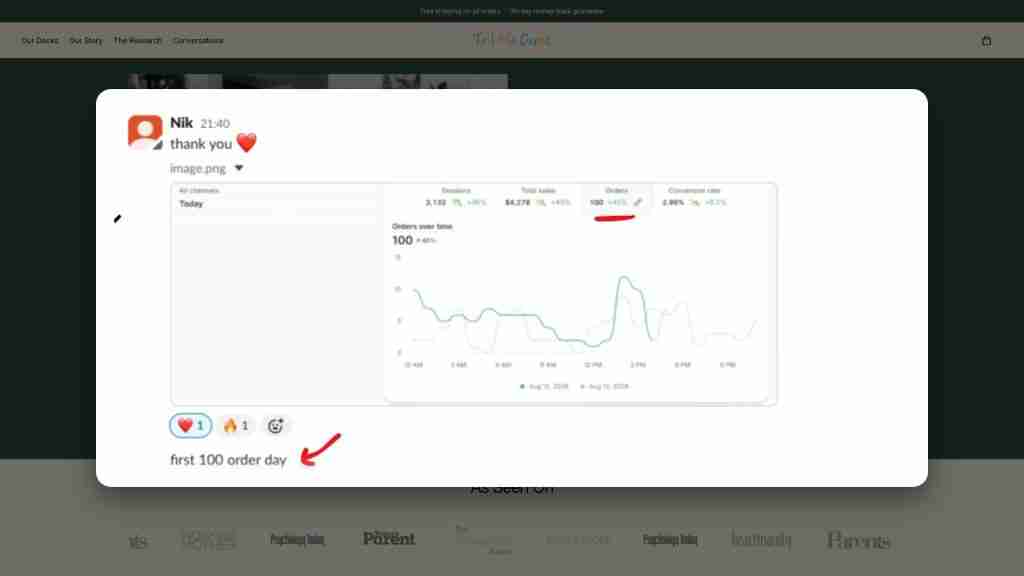
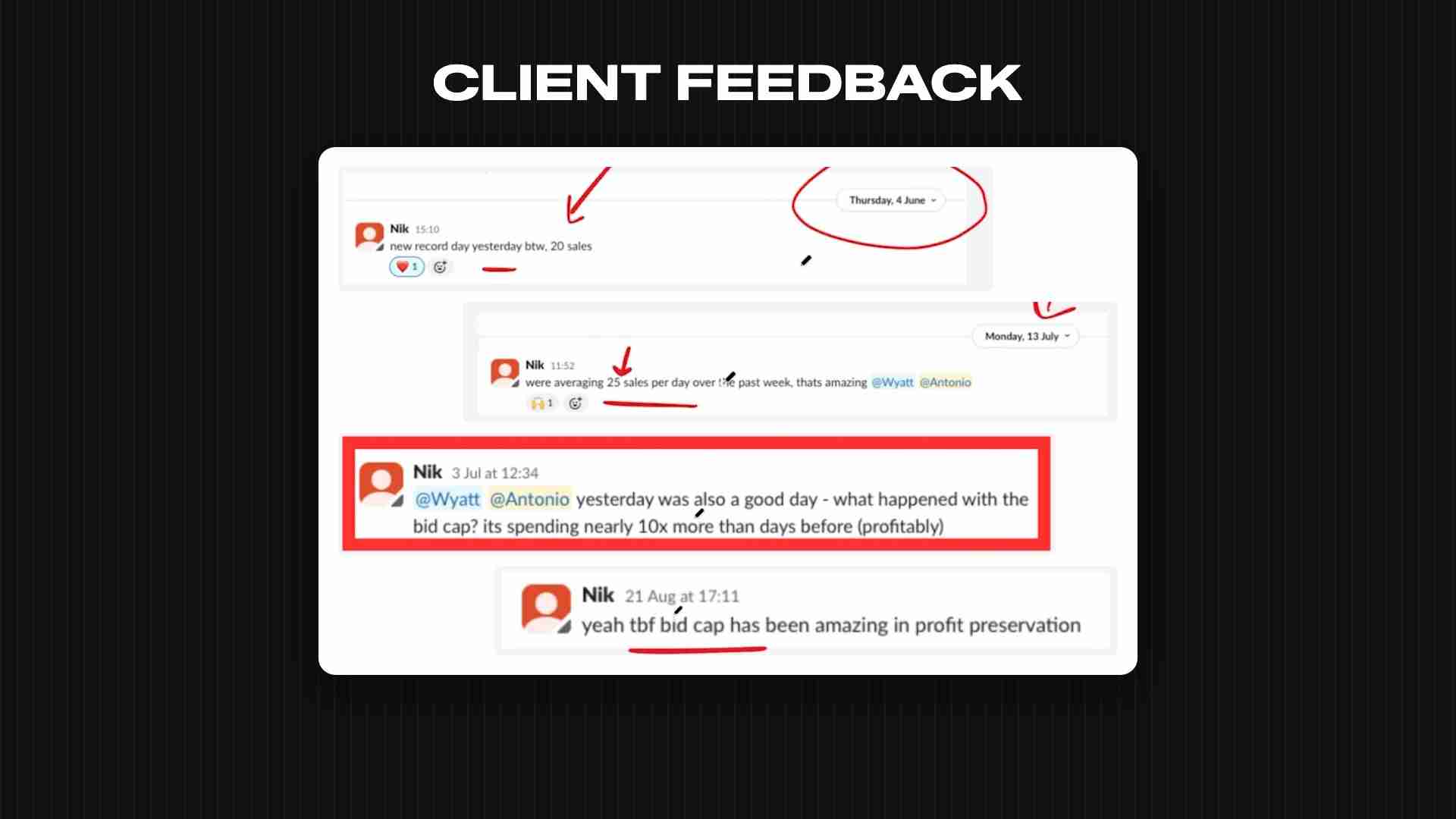
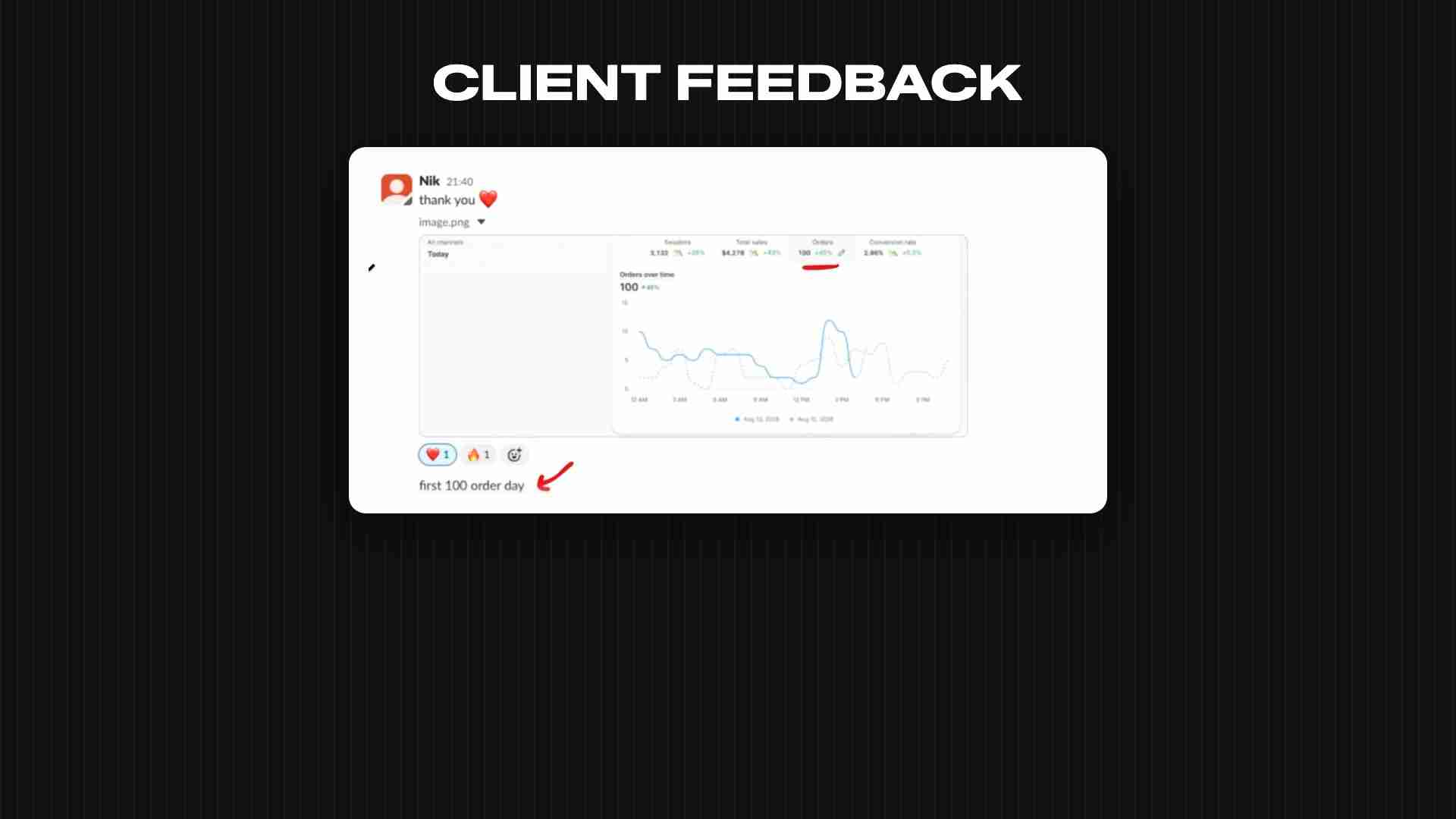
The founder felt it day by day. In early June he posted a new record of 20 sales in a day. By mid July the brand was averaging 25 sales a day for a full week. In early July the bid cap campaign was spending nearly 10x more than the days before, profitably. On August 13 the brand had its first 100-order day.
This is what we see again and again: when a kids or parenting brand pairs a bid cap scaling structure with a steady flow of new angles, it can grow spend fast and stay profitable.
The same approach works for most brands that sell to parents: kids products, toys and games, card games and board games, baby products, educational products, children’s books and family brands. If parents are your buyers and Meta is your main channel, the levers are the same: parenting angles built from customer research, a steady flow of new creatives, and a bid cap structure that scales spend without losing margin. You can also see how we scaled a slime brand from $10K to $150K a month, another toys and games brand.
How do you market a card game with Facebook ads?
Sell the moment, not the cards. For Tell Me Cards the winning ads talked about the window between ages 5 and 9, the daily bedtime ritual and the conversations parents were missing. Then test angles in an ABO campaign and scale the winners with a bid cap campaign.
Do Facebook ads work for low-priced kids products?
Yes, if every decision starts from break-even ROAS. Tell Me Cards broke even at a 1.58 ROAS, so we kept blended ROAS above 2 and let the bid cap campaign spend more only on days when Meta found buyers inside our limit.
Who should Facebook ads for a kids brand target?
The parent, and often a specific kind of parent. Dads, introverted parents and parents focused on a daily routine each needed different ads. Grandparents and gift buyers are other common sub-personas for kids brands.
If you run a kids, parenting or card game brand and want to scale Facebook ads without losing margin, get in touch with us.
| Cookie | Duration | Description |
|---|---|---|
| cookielawinfo-checkbox-analytics | 11 months | This cookie is set by GDPR Cookie Consent plugin. The cookie is used to store the user consent for the cookies in the category "Analytics". |
| cookielawinfo-checkbox-functional | 11 months | The cookie is set by GDPR cookie consent to record the user consent for the cookies in the category "Functional". |
| cookielawinfo-checkbox-necessary | 11 months | This cookie is set by GDPR Cookie Consent plugin. The cookies is used to store the user consent for the cookies in the category "Necessary". |
| cookielawinfo-checkbox-others | 11 months | This cookie is set by GDPR Cookie Consent plugin. The cookie is used to store the user consent for the cookies in the category "Other. |
| cookielawinfo-checkbox-performance | 11 months | This cookie is set by GDPR Cookie Consent plugin. The cookie is used to store the user consent for the cookies in the category "Performance". |
| viewed_cookie_policy | 11 months | The cookie is set by the GDPR Cookie Consent plugin and is used to store whether or not user has consented to the use of cookies. It does not store any personal data. |
