

CBO vs ABO for small budget testing comes down to one rule: under $100 a day, test your angles in ABO, ad set budget optimization, and move to CBO, campaign budget optimization, only once an angle has proven it can sell. ABO lets you decide how much each angle gets. CBO lets Meta decide, and on a small budget Meta decides long before you have enough data to disagree with it.
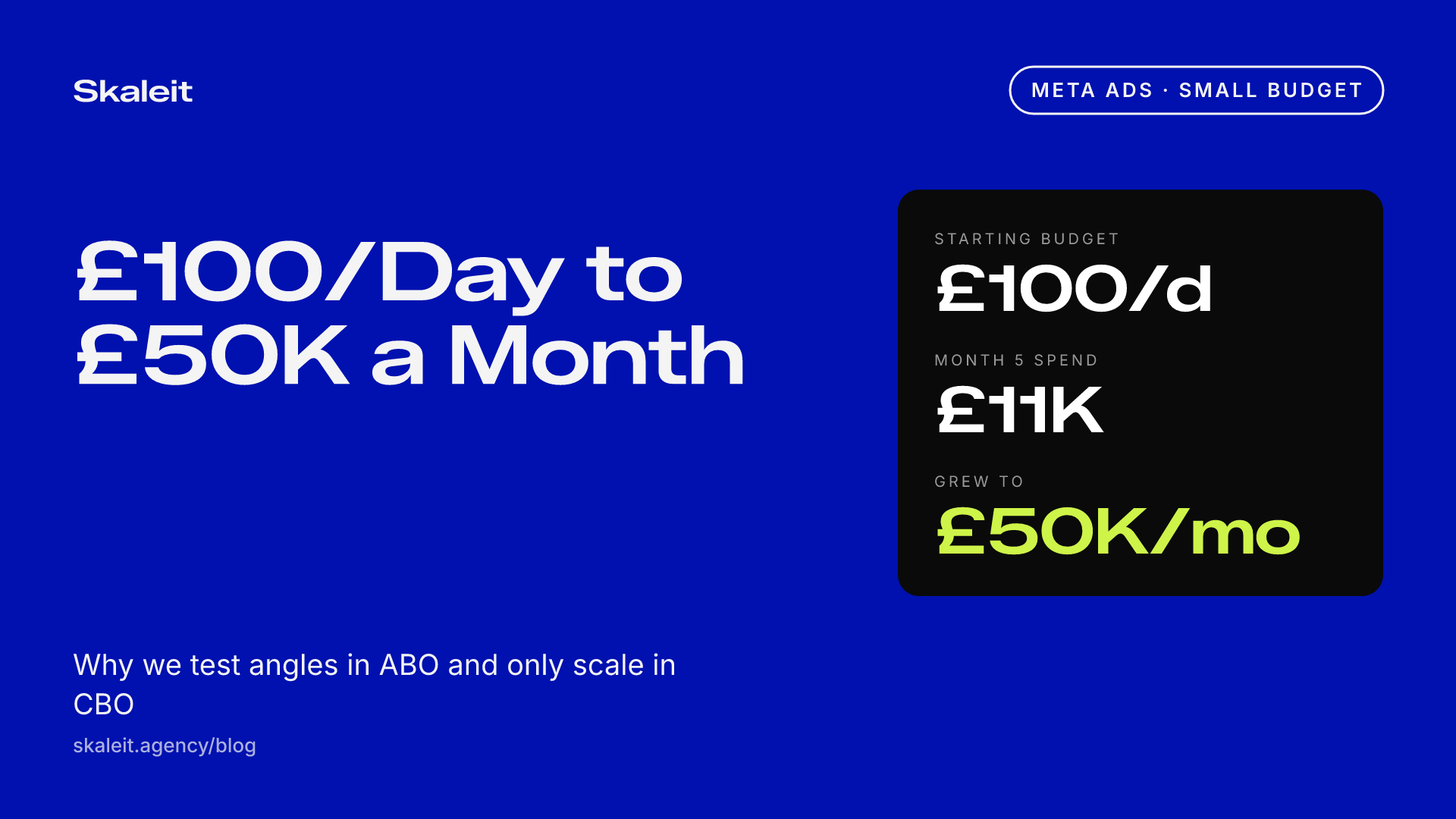
This is not theory. We ran this exact split on a brand that started at around £100 a day, which is what we treat as a low budget, anything below £100 or $100 a day. Five months later it was spending £11,000 a month and the brand had grown from about £4,000 a month to £50,000 a month. The full phase-one playbook behind those numbers is in our breakdown of how to crush Facebook ads with a low budget. This post answers the narrower question people actually type: which budget structure to use while you are still hunting for the angle.
TL;DR
- The rule: under $100 a day, test angles in ABO and scale the winner in CBO.
- Why ABO first: CBO routes budget to the ad set with the strongest early engagement, not the best return, so half your angles never get a readable test.
- The test setup: five ad sets, one angle each, £10 to £20 a day, three to four creatives inside.
- When to read it: about five days, or £50 to £100 spent in total per ad set.
- The handover: when an angle wins, build seven to ten creatives on it and move them into one consolidated CBO.
- Keep a testing lane open: leave a small ABO budget on new angles, because the winning angle will fatigue.
- The exception: ABO is also the fix when one winner eats the whole CBO budget, which returned 4.32x average ROAS on $1,371 of forced spend on a client account.
CBO vs ABO: The Short Comparison
CBO sets one budget at the campaign level and lets Meta move it between ad sets. ABO sets a budget on each ad set and Meta has to respect it. Everything else about the two is identical, which is why the choice looks trivial and is not. It decides which of your tests get enough spend to produce a result you can read.
| ABO | CBO | |
|---|---|---|
| Who sets the budget | You, on each ad set | Meta, across the ad sets |
| What it optimizes for | Whatever you force it to read | The lowest cost per acquisition |
| Spend per test | Fixed and predictable | Unpredictable, the early leader takes most |
| Management load | One or two touches a week | One touch every one or two weeks |
| Best at | Finding the winning angle | Scaling a proven angle |
| Main risk | You keep paying for angles that were never going to work | Half your angles never get read at all |
The trade is simple. ABO costs you money on angles that were never going to work, because you keep funding them until the test window closes. CBO saves that money and hands it to whichever ad set pulled the strongest signals early, which on a small budget is often just the one that had a cheap first day. You can afford the first mistake. The second one leaves you with four untested angles and no idea why they failed.
Why We Test Angles in ABO Under $100 a Day
The goal at this budget is not the winning creative. It is the winning angle. A creative is one execution. An angle is the reason someone buys, and once you have one that works you can produce ten more creatives around it. That is why the testing is structured one angle per ad set, not one creative per ad set.
CBO fights that. Meta allocates to the ad set with the strongest early signals, and engagement is a large part of those signals, so budget lands on the angle collecting comments and saves rather than the one with the best return on ad spend (ROAS). The same problem shows up across products. If product A has a $50 average order value (AOV) and a $30 cost per acquisition (CPA), and product B has a $100 AOV and a $40 CPA, CBO pushes budget into A because the CPA is lower, even when B is doing 2.5x and A is barely breaking even.
So we force it. This is the structure we use under $100 a day:
- One ABO campaign, broad prospecting, no interest or lookalike stacks. Audience testing does not earn its keep on Meta anymore.
- Five ad sets, one angle each.
- £10 to £20 a day per ad set, so the campaign totals £50 to £100 a day.
- Three to four creatives inside each ad set, all built on that ad set’s angle.
- No separate retargeting campaign. At this spend you are not big enough to need one.
Read it after about five days, once each ad set has spent £50 to £100 in total. A lot of advice says you need far more than that before deciding. In practice a real winner shows itself early, often inside the first £20 or £30 that lands on the angle. What takes the five days is confirming the losers are really losers.
If nothing works after that first week, you are back to square one, and that is a normal outcome, not a sign the structure is broken. New angles, new creatives, run it again. The budget does not go up until something returns. That is the whole discipline at this level: the return allows the budget, never the other way round.
The Angles Are the Test, Not the Creatives
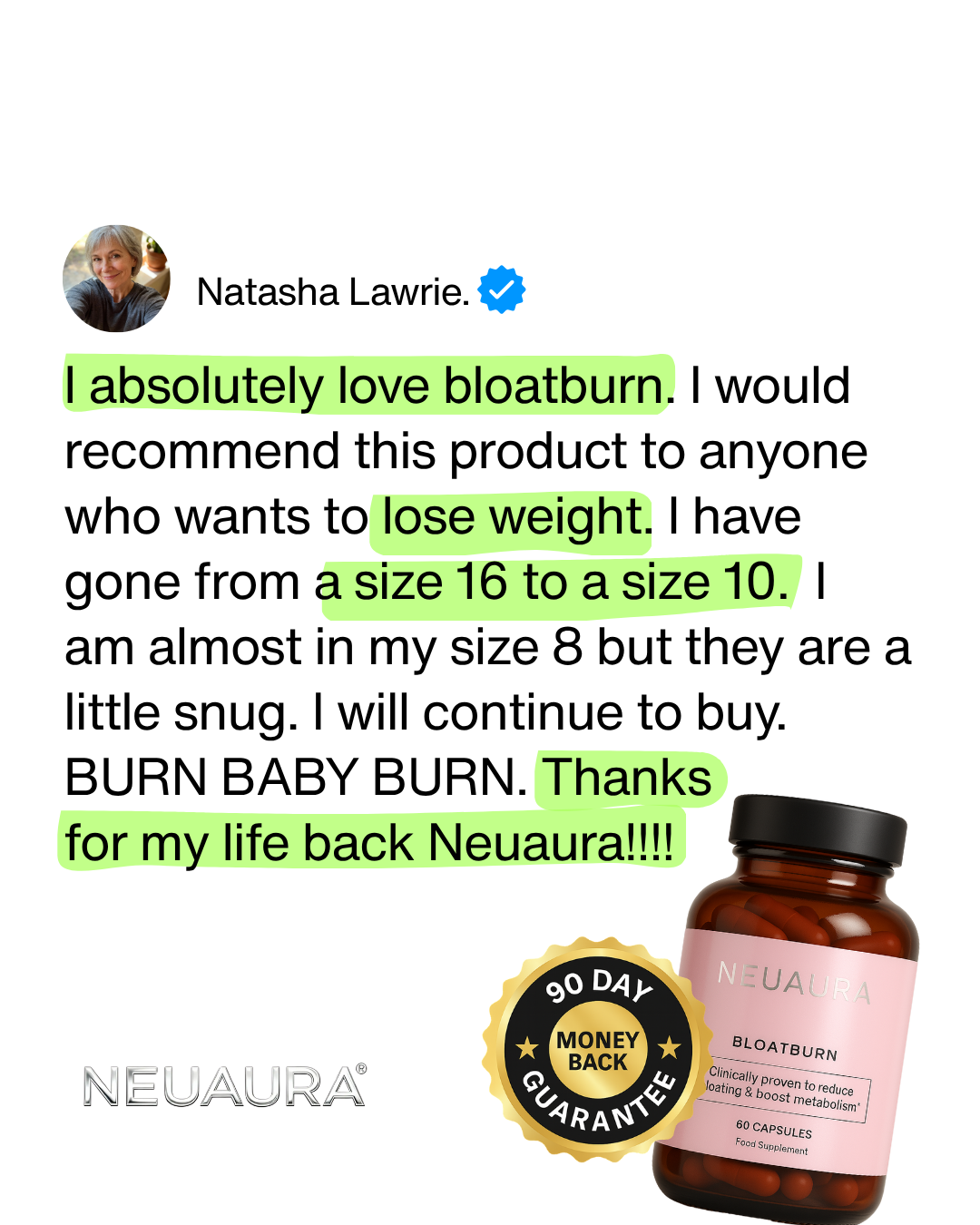
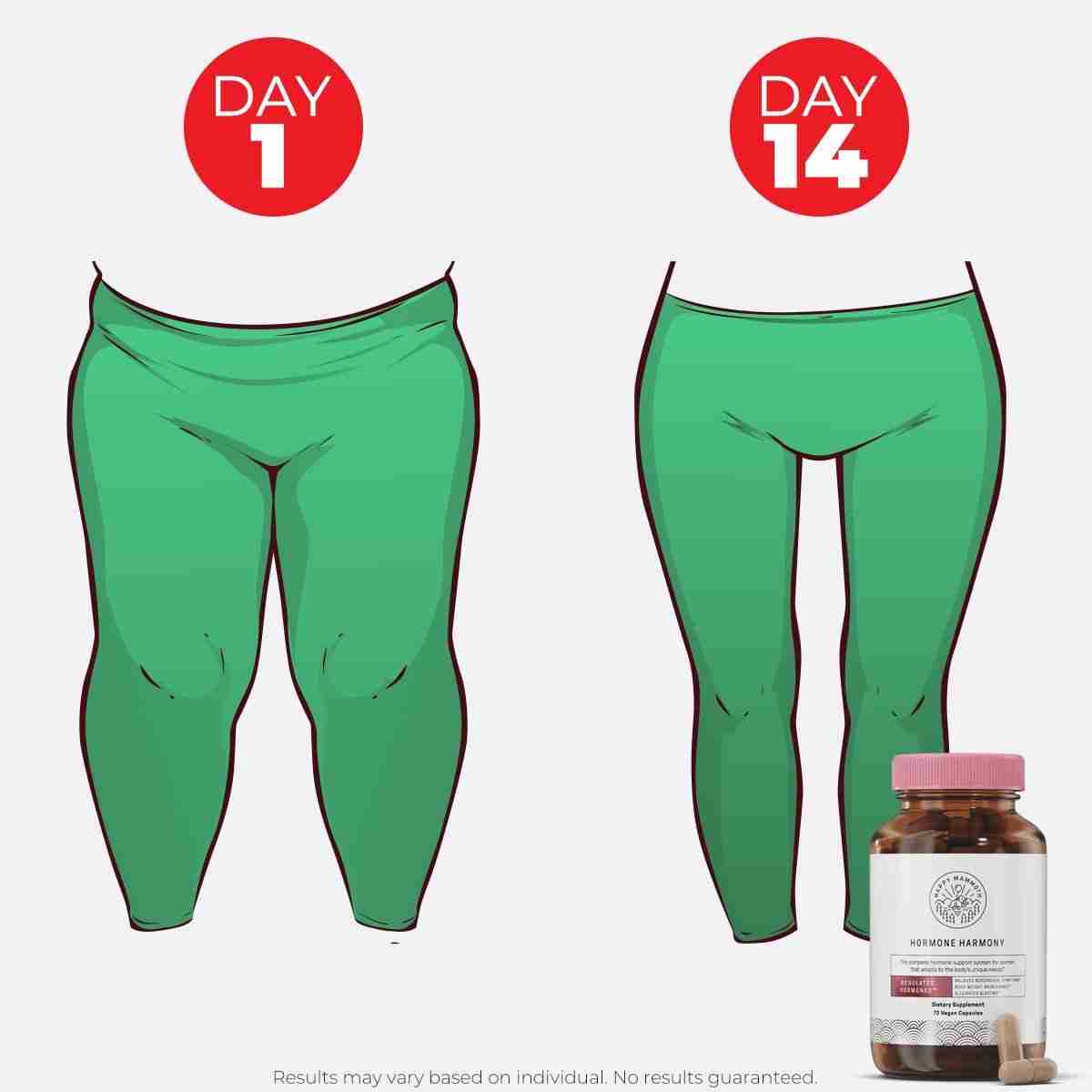
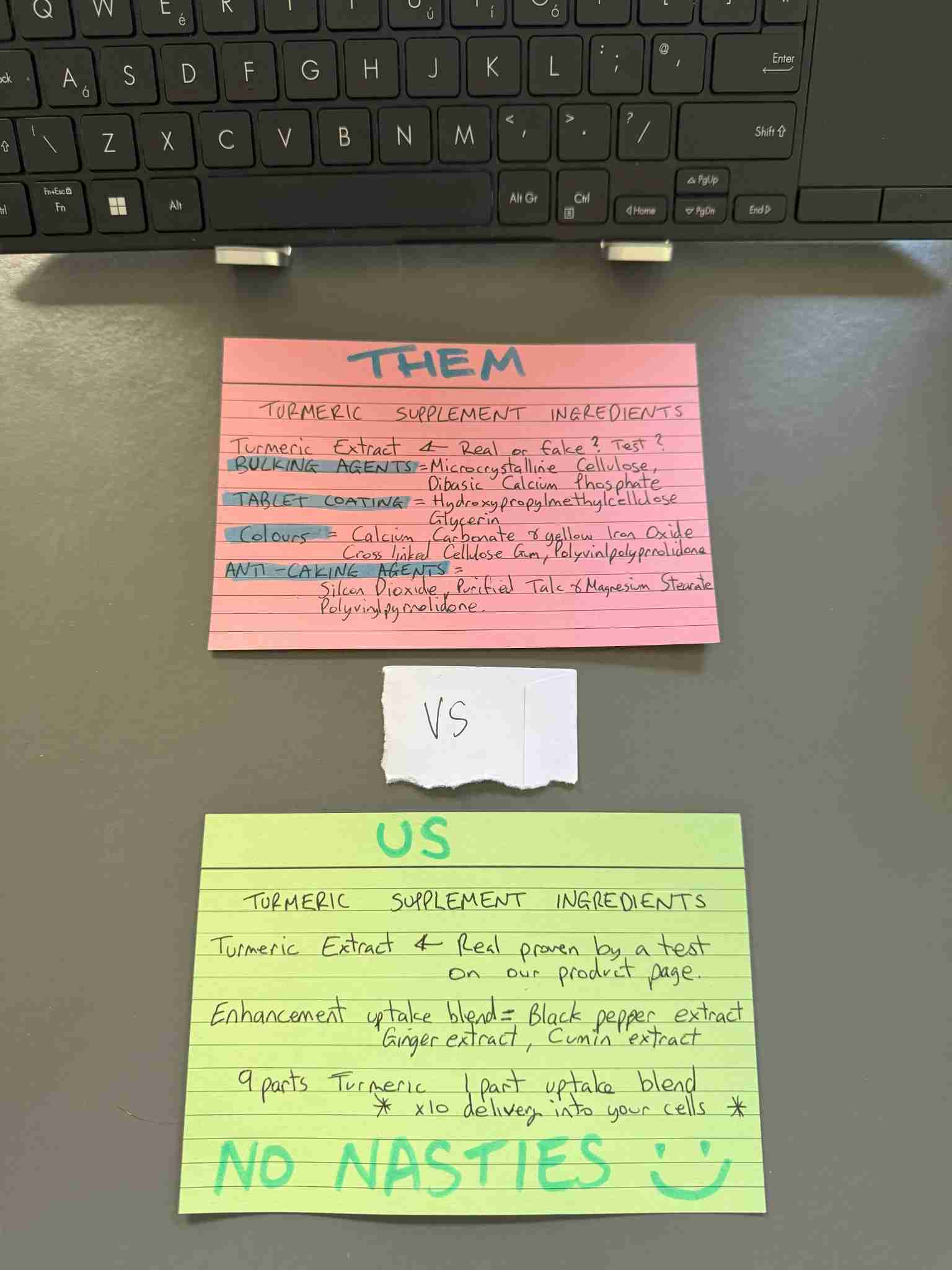
Take a supplement for women over 50. One angle is the busy mom who has no time to look after her diet. That angle gets three creatives inside one ad set. The design can stay identical across all three. The messaging cannot, because the messaging is what carries the angle. The next ad set gets a completely different reason to buy, with its own three creatives.
Below are four live ads from one category, each built on a different angle. In this structure they would be four separate ad sets, not four ads sharing one.
Four angles, one category, four ad sets
When CBO Is the Right Call
Once an angle wins, ABO turns into the expensive option. You are managing five budgets when four of the ad sets are off. This is the point where CBO takes over.
Turn off the losing ad sets, keep the winner running at its £10 to £20 a day, and build seven to ten new creatives on the winning angle. Those go into one consolidated campaign, a CBO or an Advantage+ Shopping Campaign (ASC), at £50 to £100 a day. If you were spending £50 a day across the test, keeping the winner at £10 and putting £50 into the new campaign puts you at £60 a day. The increase is small and the structure does the work.
There is a lower management version for people who will not open Ads Manager twice a week. Skip the ABO stage, run one Advantage+ campaign with a single ad set, put one or two creatives per angle inside it, and check it once every week or two. You give up the clean read on each angle and you get your time back. Our best ads testing structure on Meta Ads goes through the consolidated setups in more detail.
Consolidation is the default on bigger accounts. As of 2026 we run 12 to 50 creatives inside a single ad set where the budget supports it, because the audience data aggregates at the ad set level and splitting angles across ad sets starves each one of data. That rule holds when there is money to feed it. At £50 a day there is not, which is the entire reason the small budget answer is different.
The Third Use of ABO: Forcing Spend Onto New Creatives
The CBO versus ABO question comes back later for a different reason. Once a real winner is sitting inside a CBO, that ad holds the most data and the most engagement, and every new creative you drop next to it starts at zero. Meta has no reason to gamble. New tests take a few pounds and die, and the testing pipeline quietly stops working.
There are three ways to force spend onto unproven creatives:
- ABO ad sets. A set budget per test, full control, zero algorithm discretion. Costs the most in wasted spend and gives the cleanest read.
- A separate cost cap campaign. New creatives with the CPA target set at goal. Meta only spends if it can convert at that cost, so it is cheaper but slower, and some creatives never get read at all.
- Minimum spend rules inside the CBO. The lightest touch and everything stays in one campaign, but the floor has to stay small or you are running ABO with extra steps.
We tested the first one on a client account. The same new creatives that were getting nothing inside the CBO were relaunched in an ABO campaign and came back well above target, 4.32x average ROAS on $1,371 of spend. Winners from a forced test then graduate back into the CBO by post ID, so the likes, comments and shares carry over and the ad is not starting from zero engagement a second time. The same move sits behind our risk-free Meta ads scaling strategy, where proven ads are duplicated into a bid cap campaign by post ID.
What Five Months at This Budget Looked Like
The brand we opened with started in May 2023 at around £100 a day. Nothing exotic happened after that. Angles were tested in ABO, the winners were consolidated, and the budget only went up when the return allowed it.
Monthly spend went £4,000 in June, £7,000 in July, £8,000 in August and £11,000 in September, and the brand grew from about £4,000 a month to £50,000 a month. The structure never changed. Only the amount of money running through it did.
Related Results From Skaleit
We took a brand from 0 to 50K MRR with 10.10x ROAS on the same order of operations, angle first and budget second. For the wider picture, read our small budget Facebook ads strategy, the Meta ads structure that works in 2026, and what to do when Meta spends budget on your worst ads.
FAQ
What does ABO mean in Facebook ads?
ABO is ad set budget optimization. You set the daily budget on each ad set yourself and Meta has to spend it there. CBO, campaign budget optimization, puts one budget at the campaign level and lets Meta move it between ad sets.
Is CBO or ABO better for a small budget?
ABO while you are still looking for a winning angle, because it guarantees every angle gets read. CBO once an angle is proven and you want volume behind it. Under $100 a day, most accounts should start in ABO.
How much budget should each ad set get when testing?
£10 to £20 a day per ad set across five ad sets, so £50 to £100 a day in total. Three to four creatives inside each one, all built on the same angle.
How long should an ABO test run before you decide?
About five days, or until each ad set has spent £50 to £100 in total. A real winner usually shows in the first £20 or £30 of spend on that angle. The rest of the window is there to confirm the losers.
Should you test audiences as well as angles on a small budget?
No. Broad prospecting only. Audience testing does not earn its keep on Meta anymore, and you do not need a separate retargeting campaign at this level of spend.
Does ABO still work in 2026?
Yes. As of 2026 ABO is a standing tool, not a legacy setting. It is the testing lane on small budgets and the forced-spend lane when one winner takes the whole CBO budget.
Want This in Your Account?
If you are spending under $100 a day and still cannot tell which angle is actually working, get in touch with us and we will look at your account before the first call.