

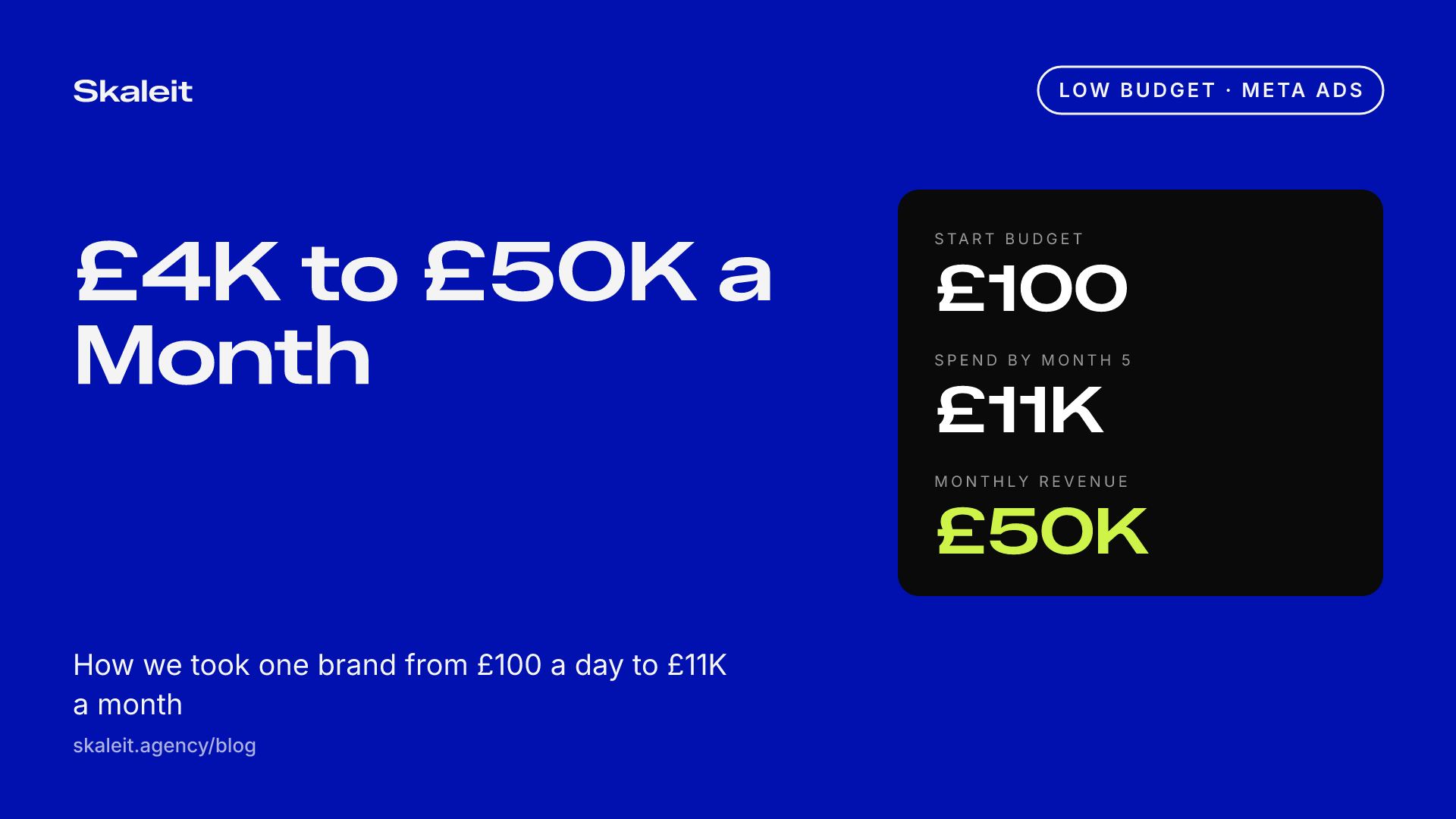
Low budget Facebook ads are Meta campaigns run on roughly $50 to $100 a day, where the job is not to scale but to find one winning angle before the budget runs out. It works, and the ramp is the proof. We took one brand from £3,700 spent in May 2023 to £11,000 spent in September 2023, and over those five months its revenue moved from around £4,000 a month to £50,000 a month.
This post covers the high management version of that playbook, the one built on angle testing inside a single ABO campaign, ABO meaning ad set budget optimisation. We have already published the low management version, a small budget structure built on one Advantage+ Shopping campaign, so if you want the hands off route start there. What follows is what to do when you have $100 a day, five angles you believe in, and no data yet telling you which one is right.
TL;DR
- Low budget means under $100 a day. At that level the constraint is data, not strategy, so every pound has to buy information rather than volume.
- Test angles, not audiences. Broad prospecting only, no separate retargeting campaign, five ad sets with one angle each.
- High management route: one ABO campaign, five ad sets at $10 to $20 a day, three to four creatives per ad set, touched once or twice a week.
- Low management route: one Advantage+ Shopping campaign, one ad set at $50 to $100 a day, every angle inside it, touched once every one or two weeks.
- Decide after about five days. Each ad set has spent $50 to $100 in total by then, which is enough to see which angle is alive and which is dead.
- When an angle wins, build around it. Seven or eight new creatives on that angle, moved into an Advantage+ Shopping campaign at $50 to $100 a day, while the winning ad set stays live.
- The ramp is the point. £3,700 in May, £4,000 in June, £7,000 in July, £8,000 in August, £11,000 in September, each increase paid for by the return of the month before.
Prefer to watch? This is the video the article is based on.
What Counts as a Low Budget on Facebook Ads
We treat anything below $100 a day as a low budget. That is where most brand owners start, because there is no return yet to justify spending more, and it is where they stay until the ads prove they deserve more. The question we get asked on almost every call is whether Meta ads can work at that level. They can, as long as you accept what the budget changes and what it does not.
What it changes is time. Running ads has a testing phase, where you look for the angles and the content that work, and a scaling phase, where you push volume. On a small budget you are acquiring data at a much slower pace, so the testing phase stretches out. The method does not change, the wait between decisions does. Brands that expect a winner in the first week on $50 a day usually quit before the data arrives.
What it does not change is the job. Phase one has one purpose, which is to understand what works. Not scaling, not retargeting, not audience research. You are looking for one or two angles that can carry spend later, and at this budget everything else is a distraction.
Audience testing in particular is a waste of money here. As of 2026 there is no version of this where splitting $100 a day across interest stacks beats broad prospecting, and there is not enough traffic at this size to justify a separate retargeting campaign either. The angle is the variable that moves the result.
The Case Study: £3,700 to £11,000 a Month in Five Months
The brand we ran this on started at around £100 a day. In May 2023 it spent £3,700. June was £4,000, July £7,000, August £8,000, and September £11,000. That is a steady climb across five months, and none of it was a decision to spend more for its own sake.
Every increase was funded by the month before it. When the account was spending £3,000 and coming back with a 3x or 4x ROAS, return on ad spend, we had the room to put more in. When the return was not there, the budget stayed where it was. That is the whole rule, and it is why the line goes up smoothly instead of spiking and collapsing.
The revenue followed the same shape. The brand went from roughly £4,000 a month to £50,000 a month across the same period. We have seen the same pattern in other accounts that start small, including this zero to 50K MRR build at 10.10x ROAS, where the early months are about finding the angle and the later months are about feeding it.
Option 1: One ABO Campaign, Five Angles (High Management)
The first option gives you the most control and costs you the most attention. It is one ABO campaign holding five ad sets, one angle per ad set, with the budget set at the ad set level so you decide what each angle gets.
The maths is simple. Five ad sets at $10 a day is $50 a day. Five ad sets at $20 a day is $100 a day. Set it wherever your budget lands inside that range, and keep the split even so no angle is starved before it has had a fair test.
We use ABO here rather than CBO, campaign budget optimisation, for one reason. With a CBO Meta decides which angle gets the money, and the common advice is that it will find the best performer on its own. In practice it often pushes budget toward the content that gets the most engagement, which is not always the content that gets the best return. On five untested angles and $100 a day, guaranteed spend per angle is worth more than automatic allocation.
Inside each ad set, keep it to three or four creatives, no more. The budget in a single ad set is not high, so if you spread it across eight or ten ads it takes far longer to learn anything from any of them. Three creatives, one angle, is the shape we want.
What an angle actually looks like
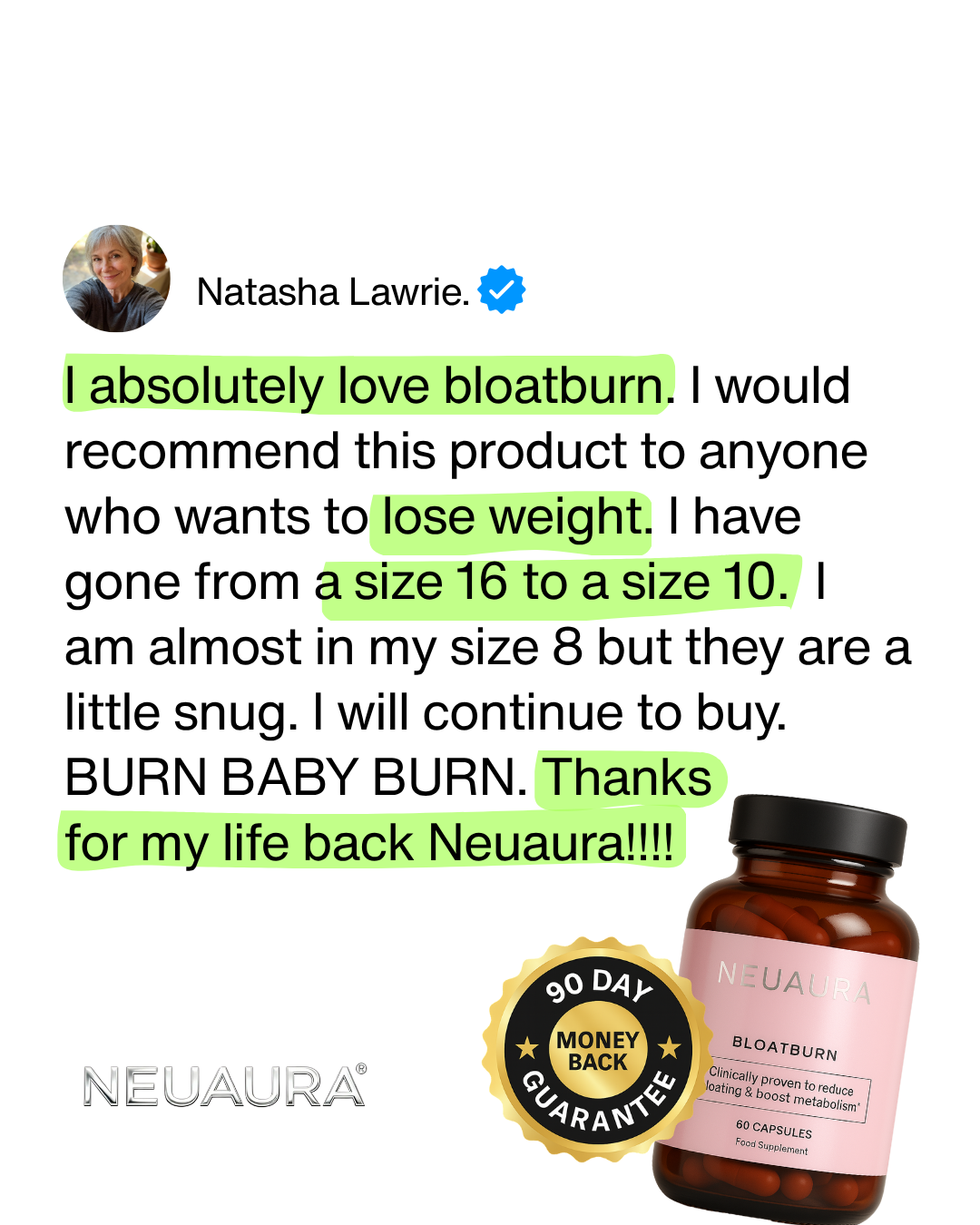
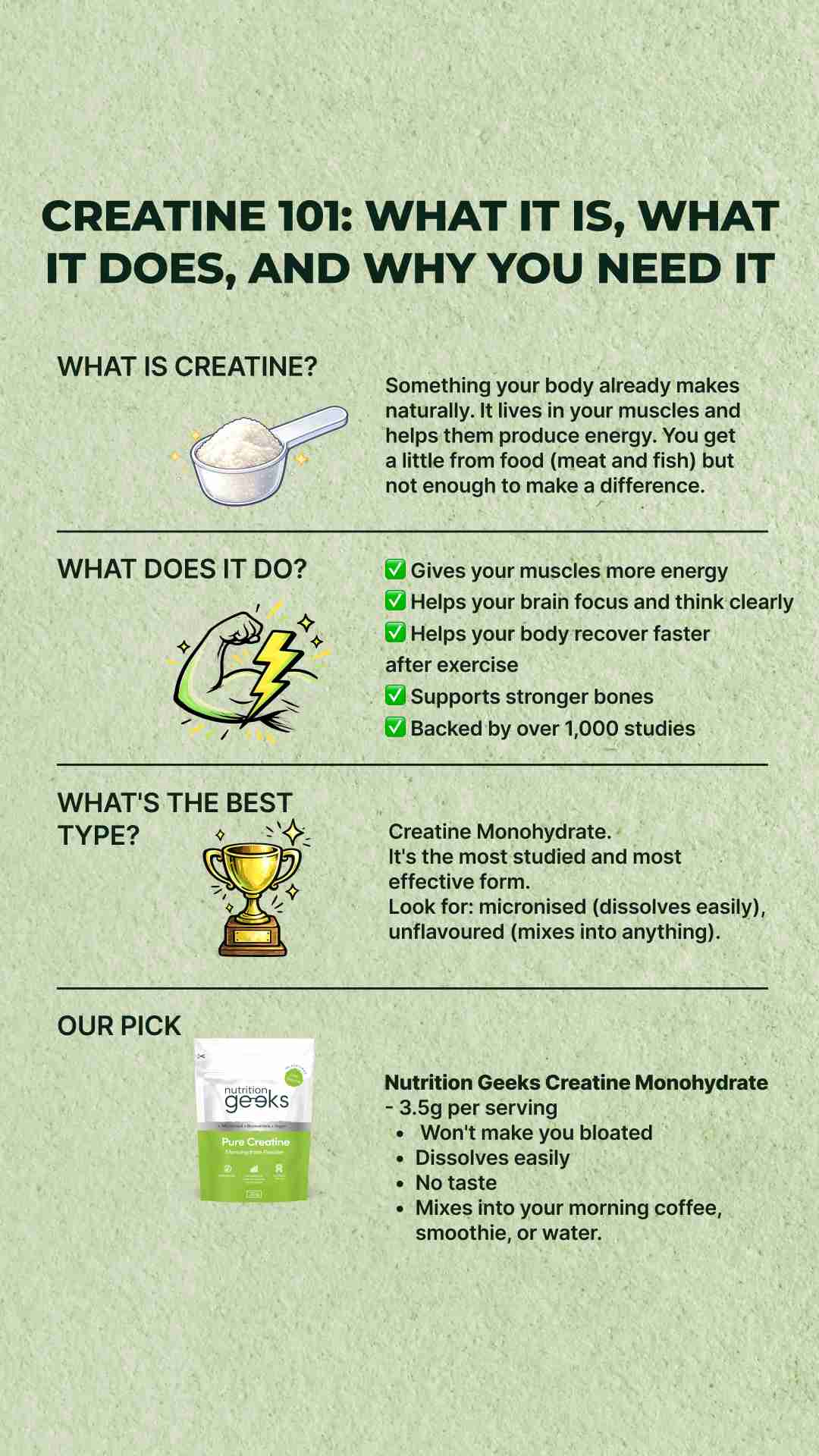
Say you sell a supplement for women aged 50 and over. One angle is the busy mother: you do not have time to look after your diet, the supplement helps you lose weight. That angle gets three creatives. The next angle gets three different creatives, and so on across the five ad sets. The design can stay the same across all of them, the messaging cannot, because the messaging is the angle.
That distinction matters more than the production quality of any single ad. You are not looking for the winning creative first, you are looking for the winning angle first, and the winning creative comes after. Our creative research framework for finding winning ads covers how we source those angles before anything gets designed.
Four angles, one customer


Option 2: One Advantage+ Shopping Campaign (Low Management)
The second option is one Advantage+ Shopping campaign with a single ad set at $50 to $100 a day. Instead of one angle holding ten creatives, you put several angles inside that one ad set, one or two creatives per angle, and let Meta work out where the spend goes.
The trade off is the clock. With a lot of creatives sharing one ad set you cannot read the account after five days any more, you need to wait closer to ten days, which in practice means one to two weeks before you touch anything. When you do, the job is the same: turn off what is not working and replace it with new angles, or if an angle has already shown itself, build more creatives around it and drop them into the same ad set.
| One ABO campaign | One Advantage+ Shopping campaign | |
|---|---|---|
| Structure | Five ad sets, one angle each | One ad set, all angles inside it |
| Daily budget | $10 to $20 per ad set | $50 to $100 for the campaign |
| Creatives | Three to four per ad set | One or two per angle |
| How often you touch it | Once or twice a week | Once every one or two weeks |
| Time before you decide | About five days | Ten days to two weeks |
| What you get | Control over what each angle spends | Less work, Meta splits the budget |
Neither option is more correct than the other. Pick the one that matches how much time you can actually give the account, because a high management structure that nobody touches for three weeks performs worse than a low management structure that gets looked at on schedule.
What to Do When an Angle Wins
At some point one of the five ad sets pulls ahead. Often you can see it early, sometimes after the first $20 or $30 of spend, but the decision point is around five days, when each ad set has spent $50 to $100 in total. That is enough to separate the angle that is alive from the four that are not.
Keep the winning ad set running at its $10 to $20 a day and turn the other four off. Then build seven or eight new creatives around the angle that won, and move those into an Advantage+ Shopping campaign at $50 to $100 a day.
There are two ways to pay for that campaign. You can add $50 to $100 of new budget on top, all of it going to the winning angle. Or you can keep your total where it is: if you were spending $50 a day across five ad sets, leaving one live at $10 frees up $40, so putting $50 into the new campaign takes you to $60 a day. That is a small enough increase that it will not put the account under pressure.
From there the routine is maintenance. Keep around ten ad creatives live, check the campaign roughly once a week, turn off the ones that are not performing and replace them with fresh iterations of the same angle. The winning ad set stays where it is, untouched, because the data it holds is the thing that got you here.
And keep testing. The angle that is working now will stop working, and when it does you need the next one already half proven. If the budget allows, run one, two or three new angles alongside the campaign that is carrying the spend.
How to Increase the Budget Without Breaking the Account
The shape of a working ramp is predictable. Month one usually sits at a 1.2x or 1.3x ROAS while you are still finding the angle. Month two, once an angle lands, that moves toward 2x. Month three, when you have built more creatives around the winning angle and put more budget behind it, four or five times return is realistic. Only then does a meaningful budget increase make sense.
The reason to keep pushing is that ecommerce does not work at low volume. What you want is to increase spend as far as it will go while holding a good return, and as volume grows you can let margins compress slightly, because total profit keeps climbing even as the percentage comes down. A 5x ROAS on $50 a day is a screenshot. A 3x on $2,000 a day is a business.
Staying small is a choice you are allowed to make, and the structures above run fine on $100 a day indefinitely. We just would not recommend it. Once the angle is proven and the account has a stable return, the next problem is scaling without losing efficiency, which is a different playbook: this is how we went from $100 a day to $2,000 a day at 4x ROAS on one account.
Related Results From Skaleit
For a brand at this stage, the closest comparison is our kitchenware brand build from $14K to $47K a month, which followed the same order: prove the angle, then add budget. If you want what comes next, read how we scale accounts from $5K a month to $30K a month, the four testing structures we use to grow ROAS, and our current post Andromeda testing structure.
FAQ
What is the minimum budget for Facebook ads?
We treat anything under $100 a day as a low budget, and $50 a day is enough to run five ad sets at $10 each. Below that the testing phase gets slow enough that most brands run out of patience before the data arrives.
Should I use ABO or CBO on a small budget?
ABO. With a CBO, Meta decides which angle gets the money and often favours the content with the most engagement rather than the best return. On five untested angles and $100 a day, guaranteed spend per angle is worth more.
How long before I know if an angle is working?
About five days in the ABO setup, by which point each ad set has spent $50 to $100 in total. In the Advantage+ setup it is closer to ten days, because the same budget is split across more creatives.
Do I need a retargeting campaign at this budget?
No. At this size there is not enough traffic to feed a separate retargeting campaign. Broad prospecting only until volume justifies more.
What if none of the five angles work?
You go back to square one, which is a normal outcome. Research new angles, build new creatives, run the same test again. The structure is not the problem, the angles were.
Can I stay on a small budget forever?
You can, and these structures run fine on $100 a day indefinitely. We would not recommend it, because ecommerce only starts to make sense once there is volume behind the return.
Want This in Your Account?
If you are running Meta ads on under $100 a day and cannot tell which angle is actually working, get in touch with us and we will look at your account before the first call.